


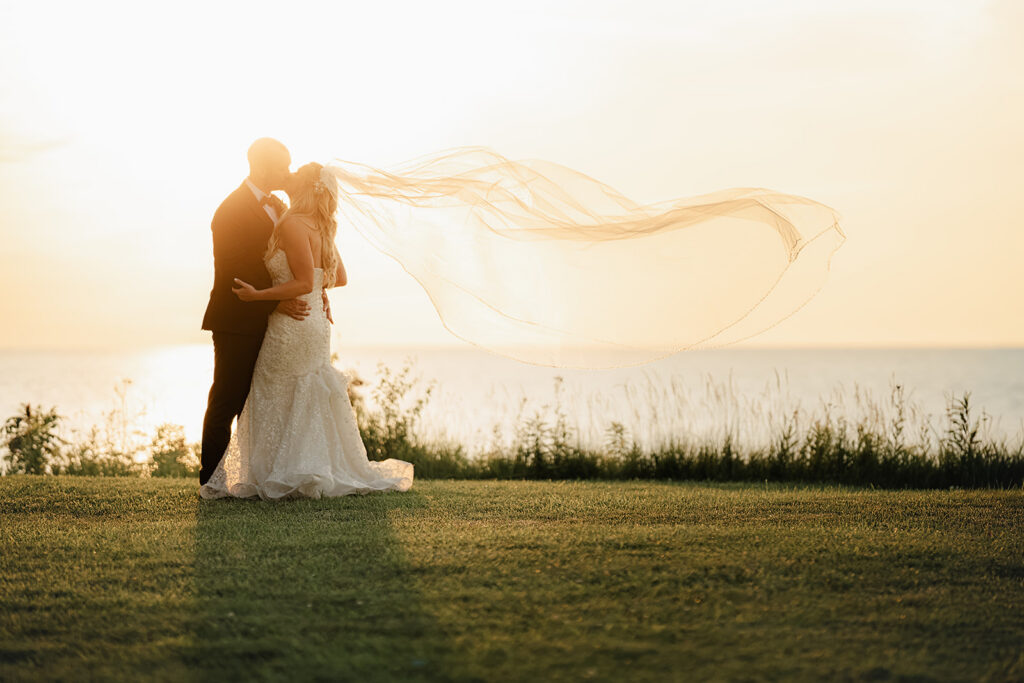
You can have the most beautiful venue, incredible vendors, and a Pinterest-worthy design but wedding timeline mistakes can quickly turn an otherwise amazing wedding day into a rushed and stressful experience. From not leaving enough time for portraits to forgetting about travel time and skipping important buffer time, small timeline issues can create a domino effect throughout the entire day.
A great timeline isn’t just about knowing what happens next. It’s what allows you to be present, enjoy your day, and trust that everything is unfolding the way it should.
After photographing and filming hundreds of weddings, we’ve seen one thing over and over again: the best wedding days aren’t the ones that go perfectly—they’re the ones with a timeline that allows room for real life. A well-built timeline creates freedom instead of pressure.
Here are the biggest wedding timeline mistakes we see couples make—and how you can avoid them.
1. Not Building in Buffer Time
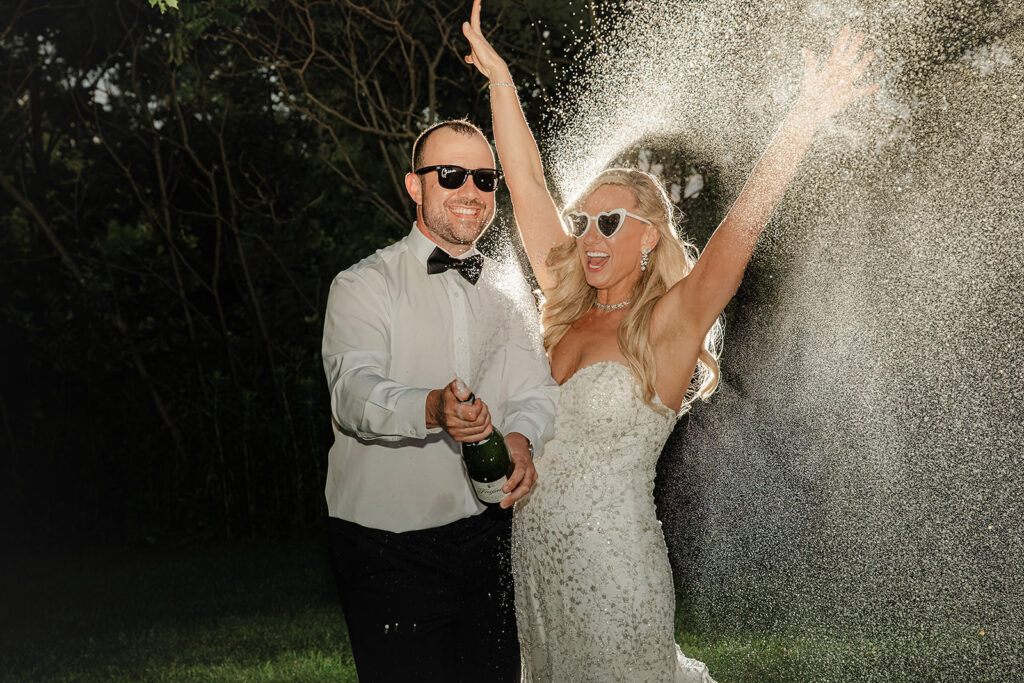
One of the most common wedding timeline mistakes is leaving absolutely no room for things to run behind.
Never schedule your wedding day minute by minute.
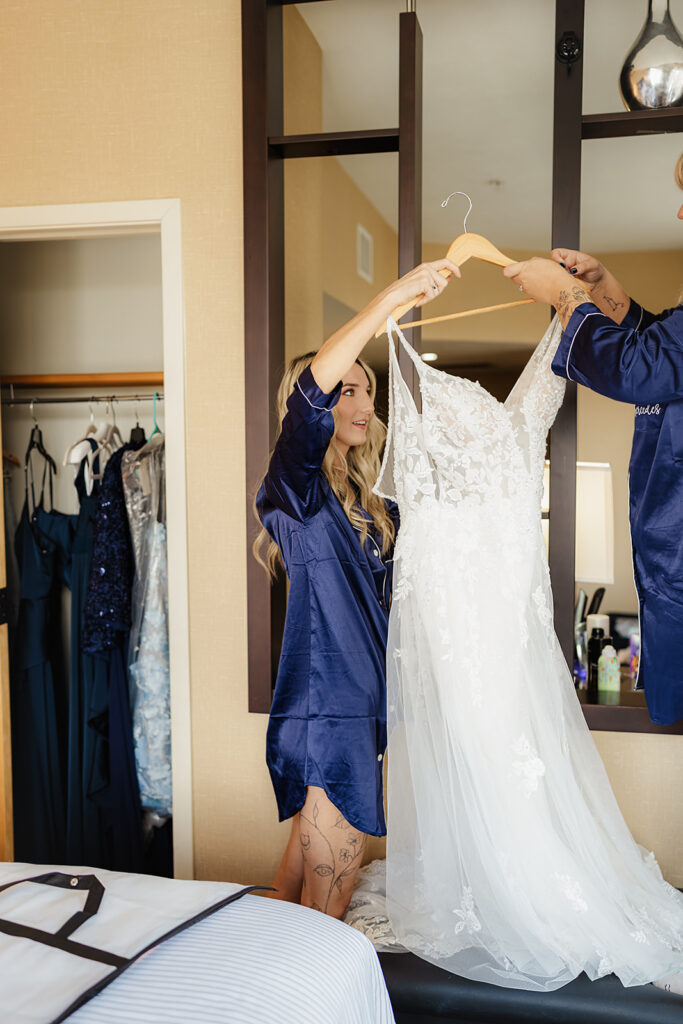
Hair and makeup runs late.
Someone can’t find their shoes.
A family member disappears before portraits.
Traffic takes longer than expected.
These things happen at almost every wedding.
Without buffer time, one small delay creates a domino effect that impacts the entire day. With buffer time, those delays are barely noticeable.
Our recommendation:
Build in at least 10–15 minutes between major events, including:
- Getting ready → First Look
- First Look → Ceremony
- Ceremony → Reception
- Any travel between locations
Those extra minutes become some of the most valuable time in your schedule.
2. Underestimating How Long Photos Actually Take
This is one of the most common planning mistakes.
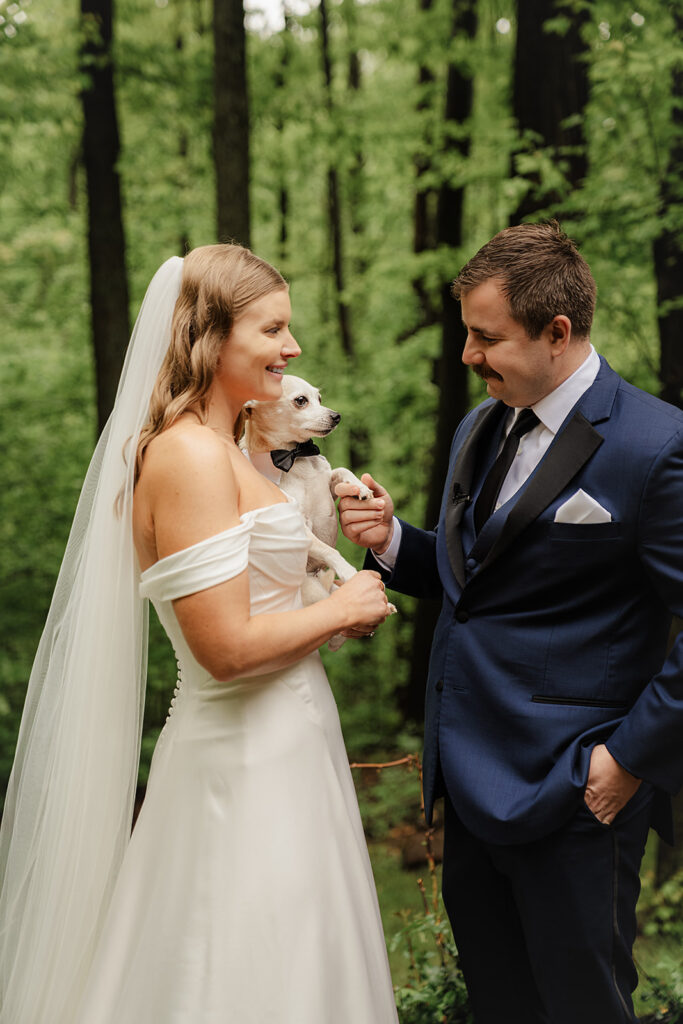
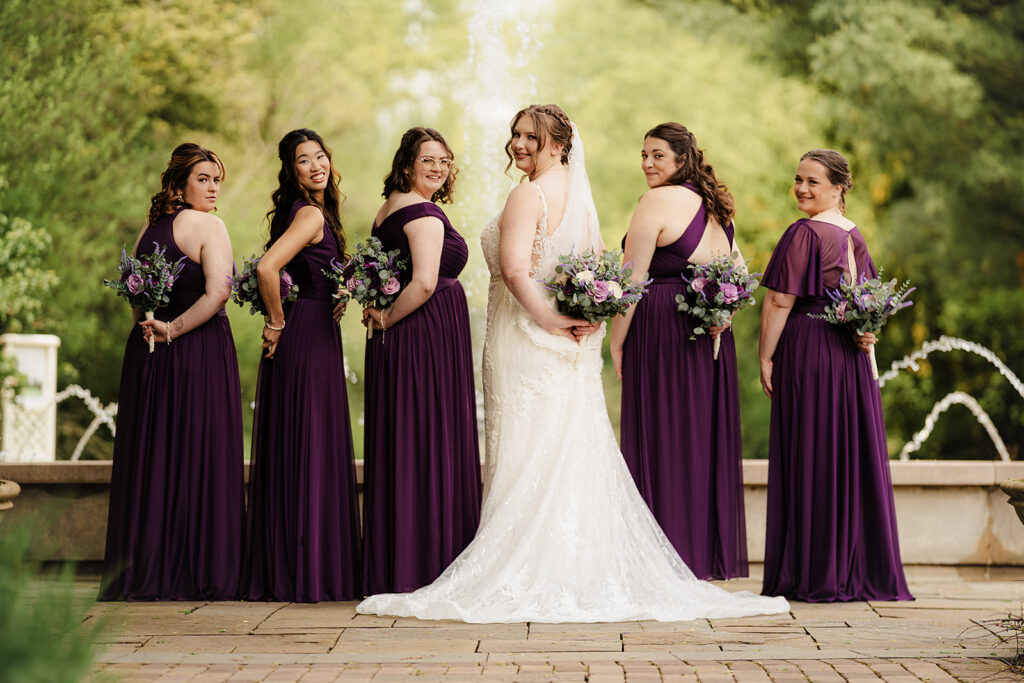
Many couples assume portraits only take 15 or 20 minutes, but quality photographs simply take time.
Here’s a realistic estimate:
- Details: 30 minutes
- Getting ready: 45–60 minutes
- First Look: 15 minutes
- Couple portraits: 30–45 minutes
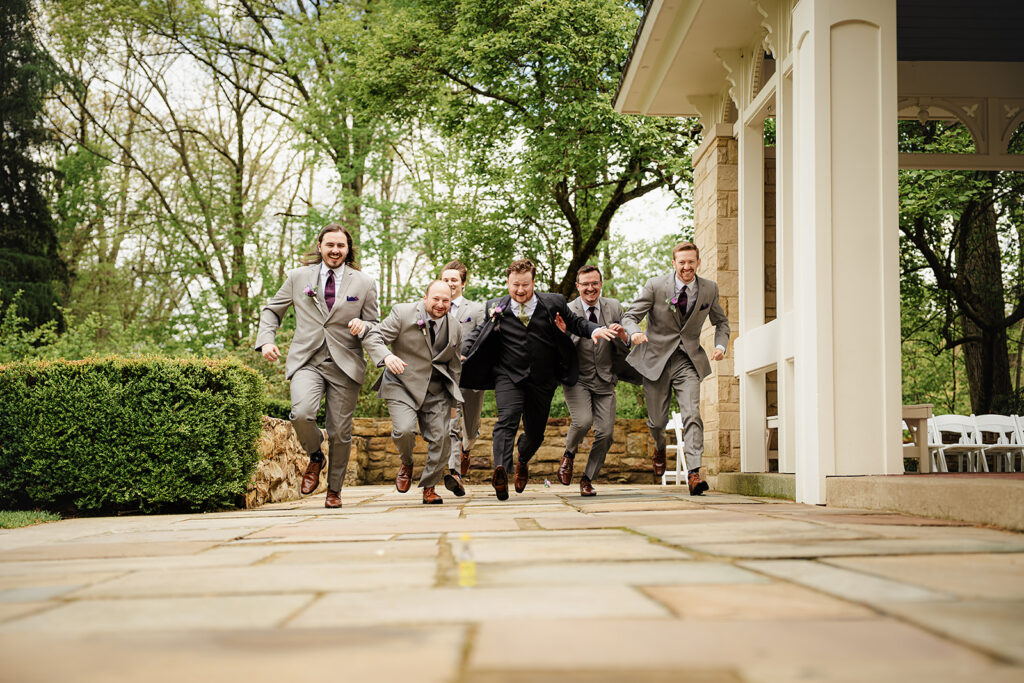
- Wedding party: 30 minutes
- Family portraits: 20–30 minutes
- Sunset portraits: 30 minutes
Trying to squeeze all of this into a tiny window often results in rushed photos and unnecessary stress.
The more relaxed you feel, the better your photos will look.

3. Forgetting About Travel Time
Google Maps isn’t your wedding planner.
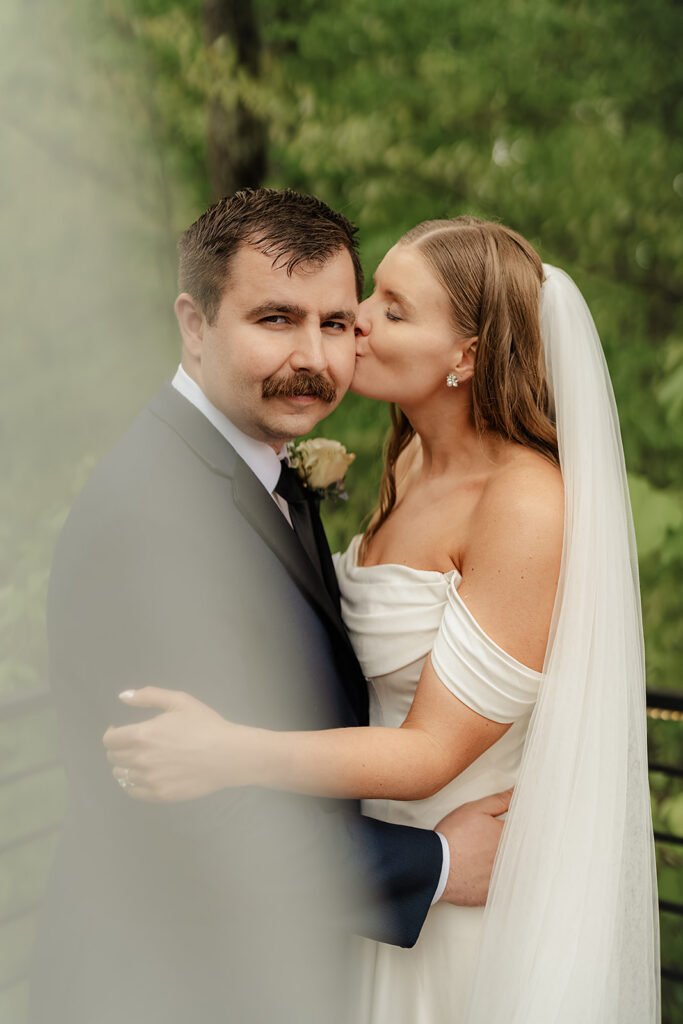
Travel includes far more than driving.
Think about:
- Loading everyone into vehicles
- Parking
- Walking to portrait locations
- Gathering the wedding party
- Unexpected traffic
Every transition takes longer than you expect.
Always build extra travel time into your timeline so you aren’t rushing from place to place.
4. Skipping a First Look Without Understanding the Timeline Impact
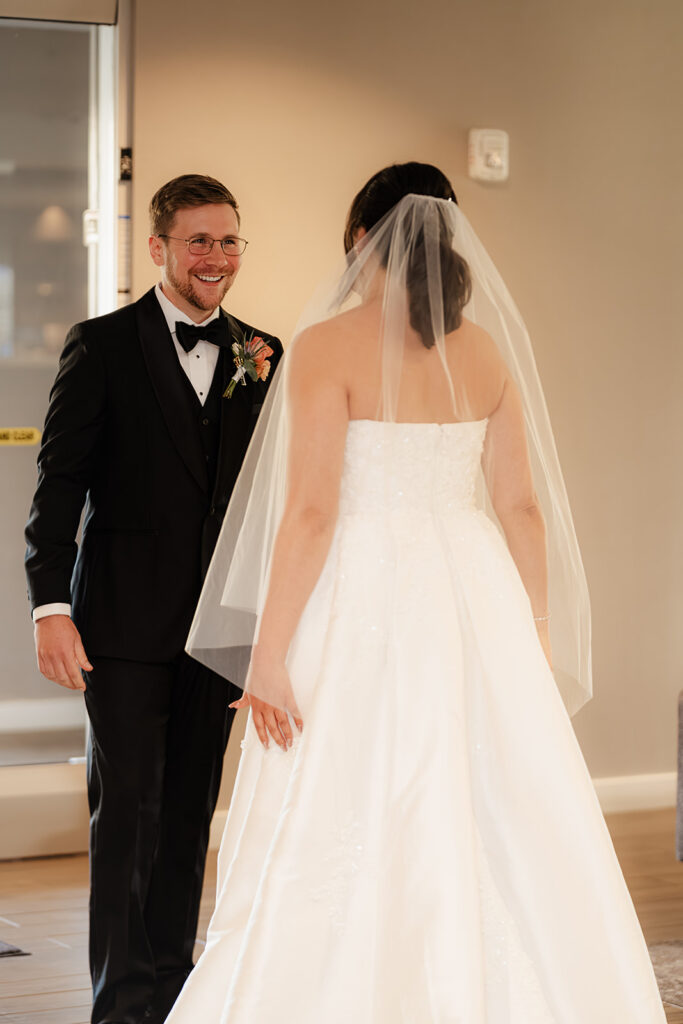
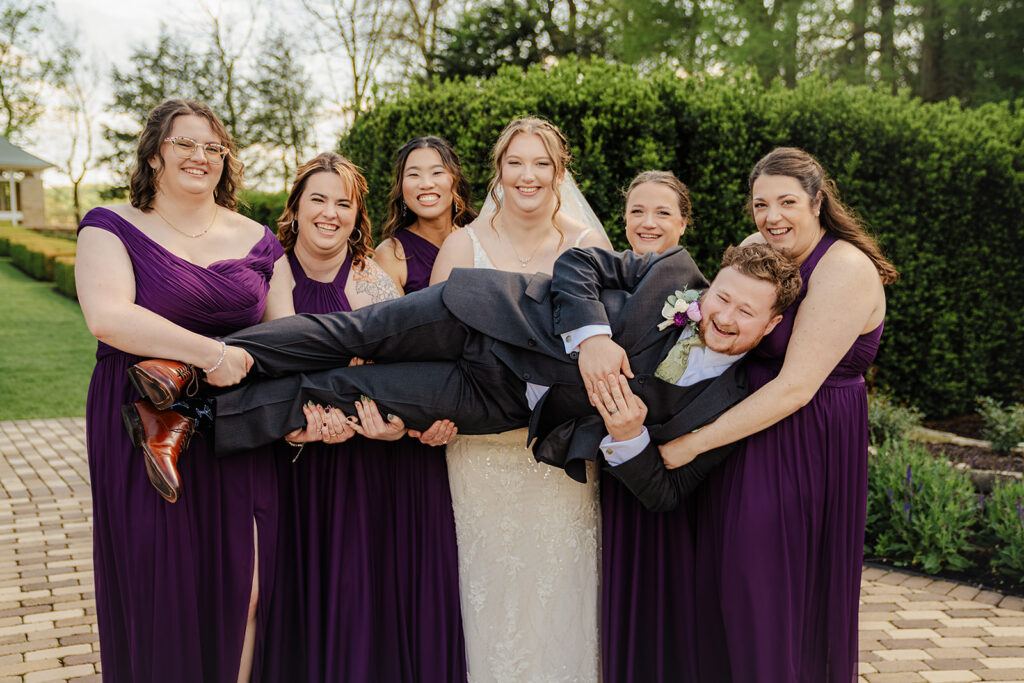
One of the biggest wedding timeline mistakes isn’t choosing the “wrong” First Look option it’s choosing one without understanding how it affects the rest of your timeline.
There’s no right or wrong answer.
However, many couples don’t realize how much it changes the flow of the day.
A First Look allows you to:
- Calm wedding-day nerves
- Take most portraits before the ceremony
- Finish family photos earlier
- Enjoy cocktail hour with your guests
- Feel less rushed after the ceremony
Without a First Look, nearly every formal photo happens after the ceremony, making that portion of the day much busier.
Choose the option that fits your priorities—not just tradition.
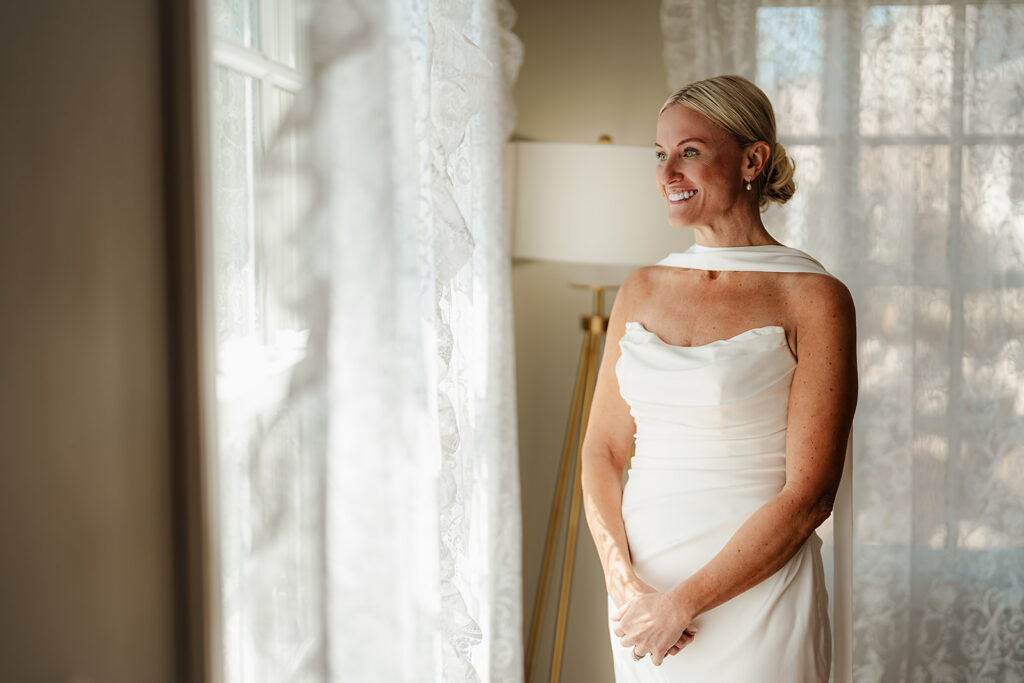
5. Not Protecting Golden Hour
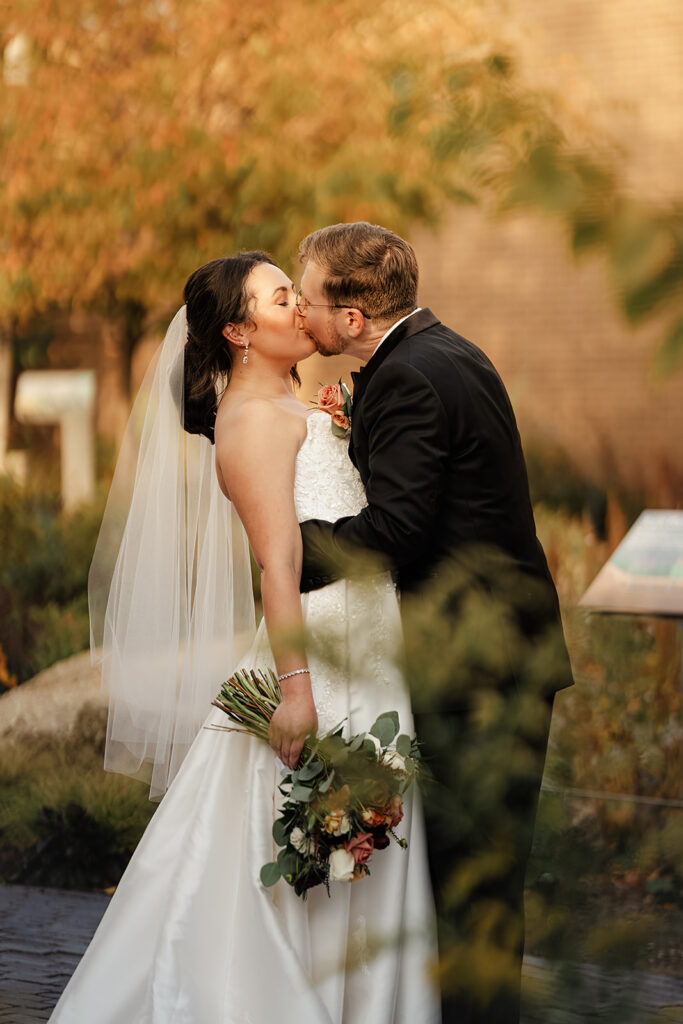
Golden hour is the hour before sunset when the light is soft, warm, and incredibly flattering.
These are often the portraits couples end up printing, framing, and sharing for years.
Unfortunately, many timelines accidentally schedule speeches, dinner, or other events during this window.
Whenever possible, reserve 20–30 minutes around sunset for portraits.
It can make a dramatic difference in your final gallery without spending another dollar on décor or upgrades.
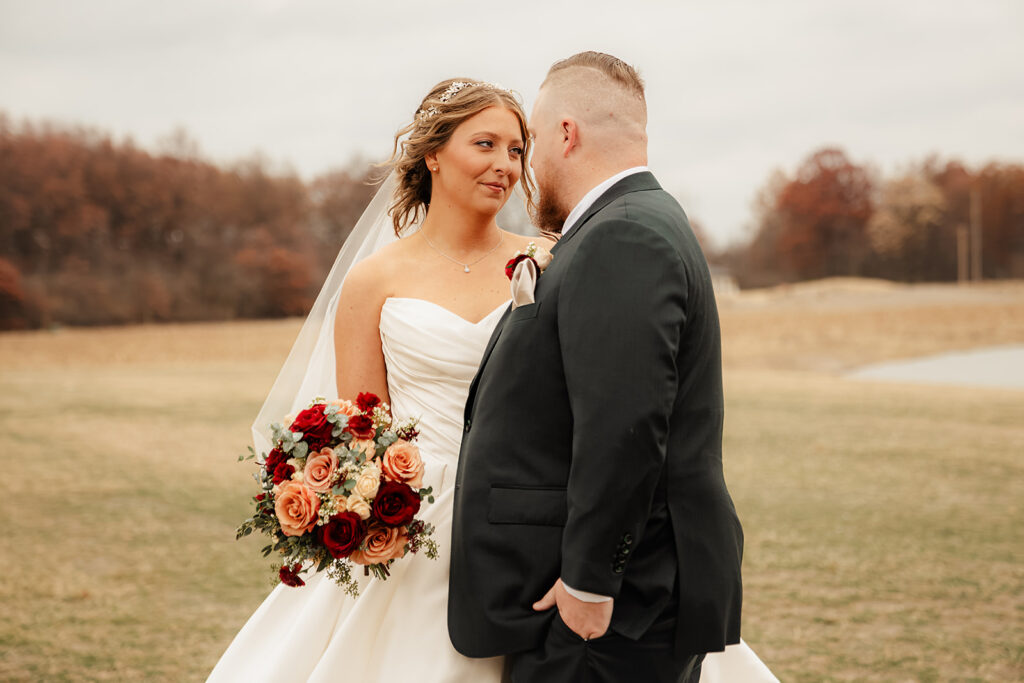
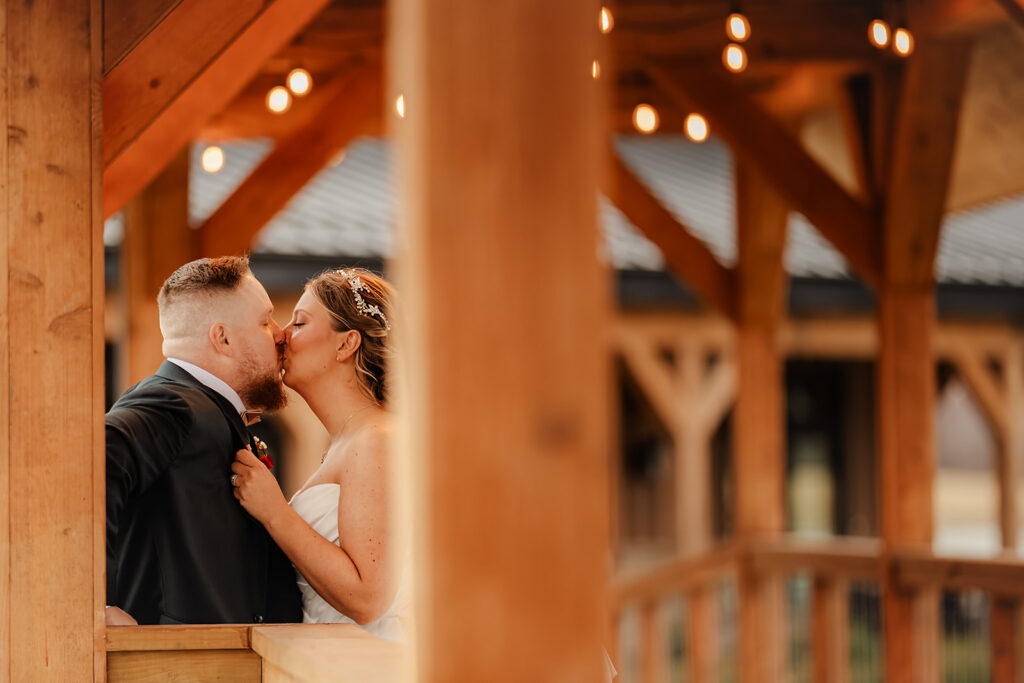
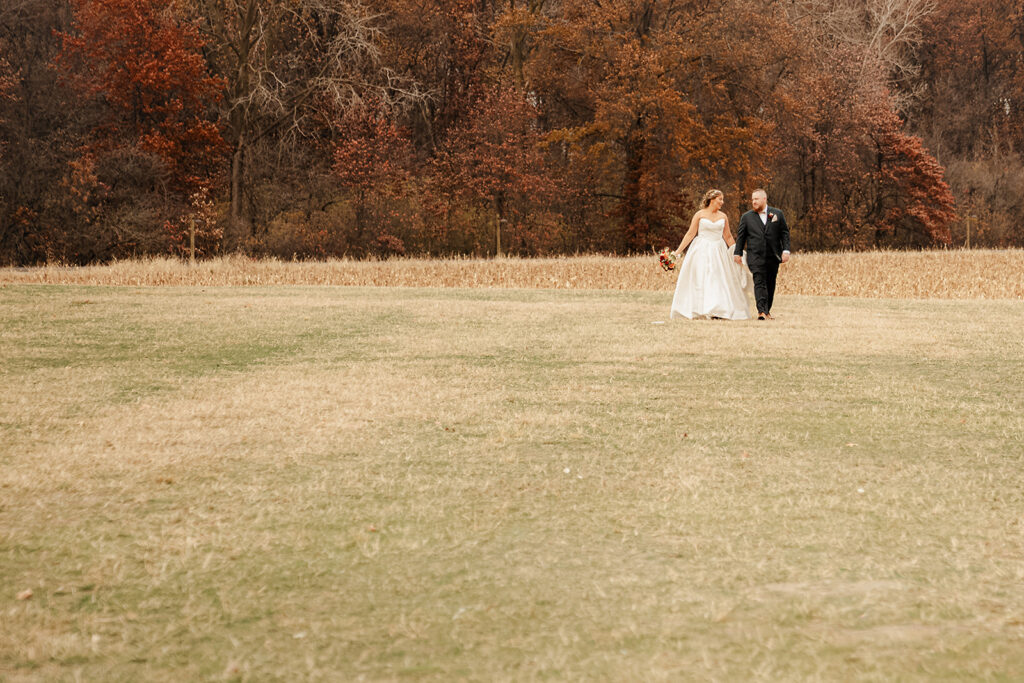
6. Scheduling Too Many Formalities Back-to-Back
Your reception should build energy—not interrupt it.
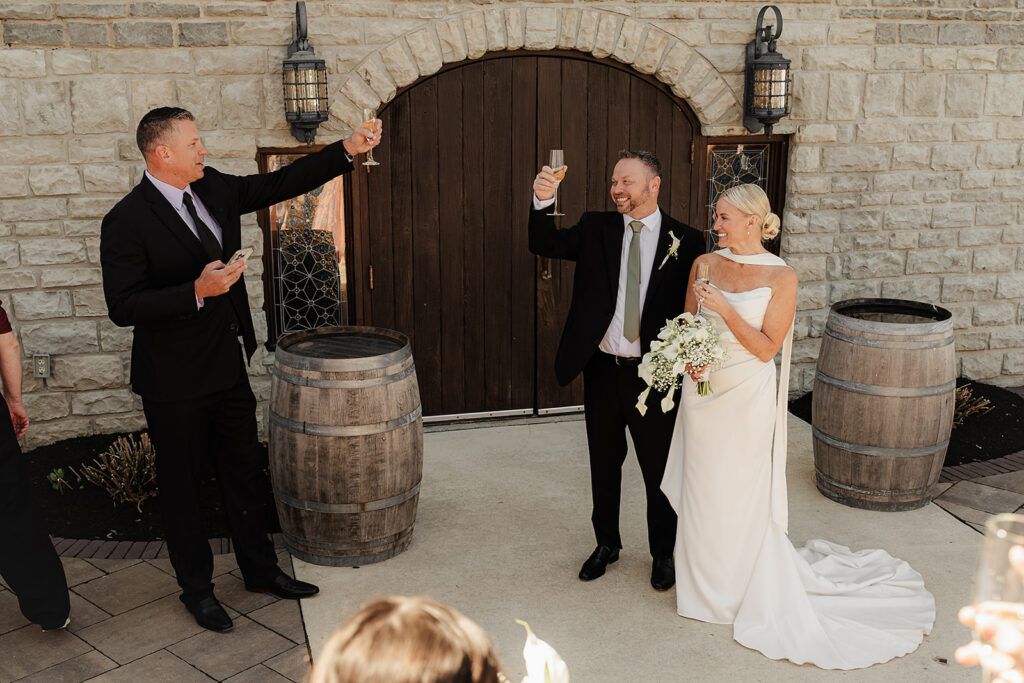
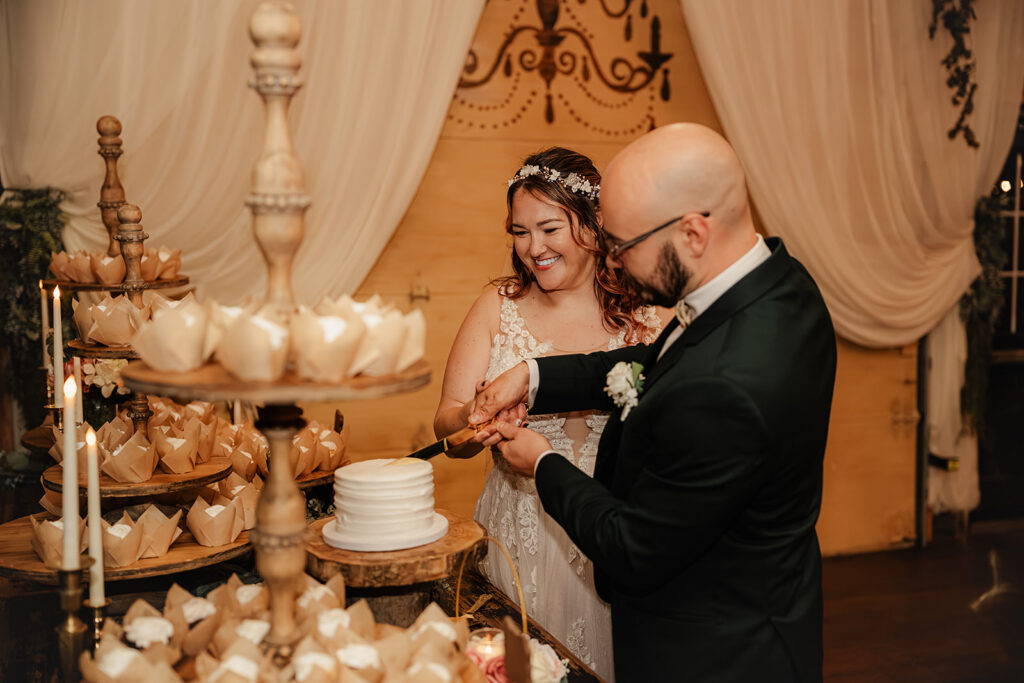
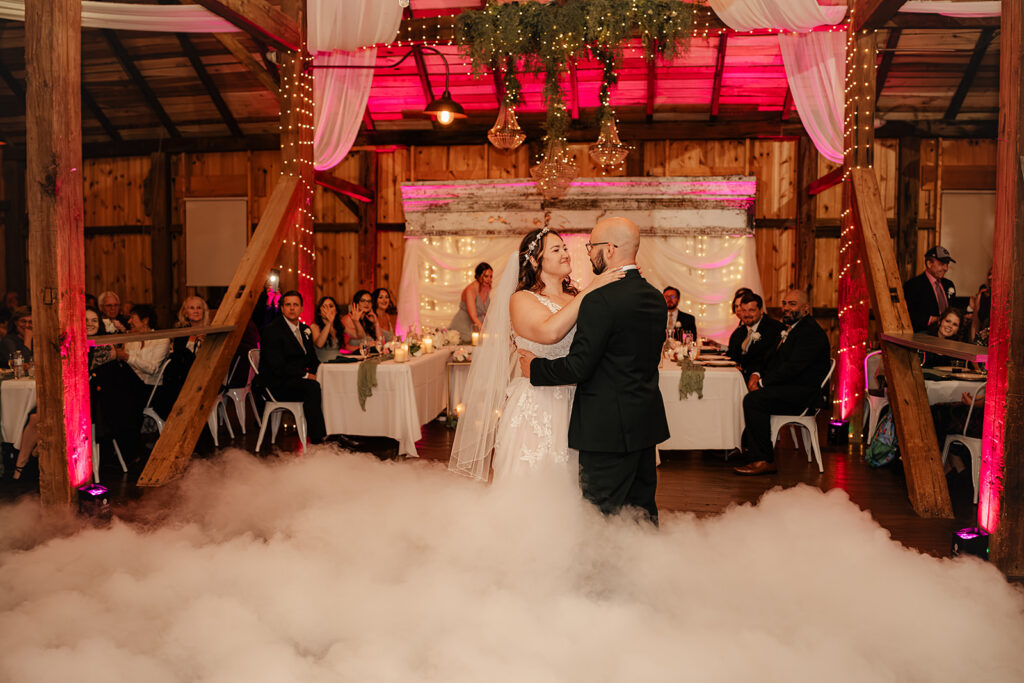
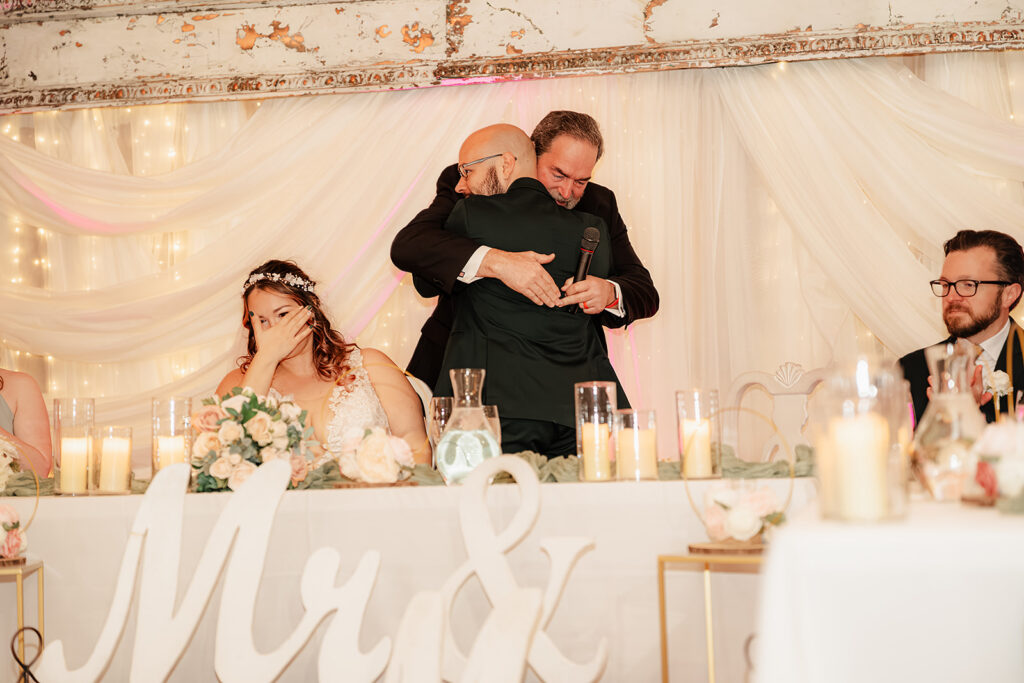
Packing together your grand entrance, first dance, parent dances, cake cutting, bouquet toss, and speeches one after another can make guests feel like they’re watching a program instead of celebrating.
A smoother flow often looks like:
- Grand Entrance
- First Dance
- Dinner
- Toasts
- Open Dance Floor
Spacing out events helps maintain momentum and keeps guests engaged all evening.
7. Trying to Plan Everything Yourself
Your photographer, planner, coordinator, and DJ have likely experienced dozens—if not hundreds—of wedding timelines.
Lean on that experience.
These vendors know:
- How long things actually take
- Where delays usually happen
- How to maximize portrait time
- When guests are most engaged
- How to create a smooth flow from start to finish
The best timelines aren’t created in isolation—they’re built by a team that understands how wedding days actually unfold.
Final Thoughts
Your timeline is much more than a schedule.
It’s the foundation of how your wedding day feels.
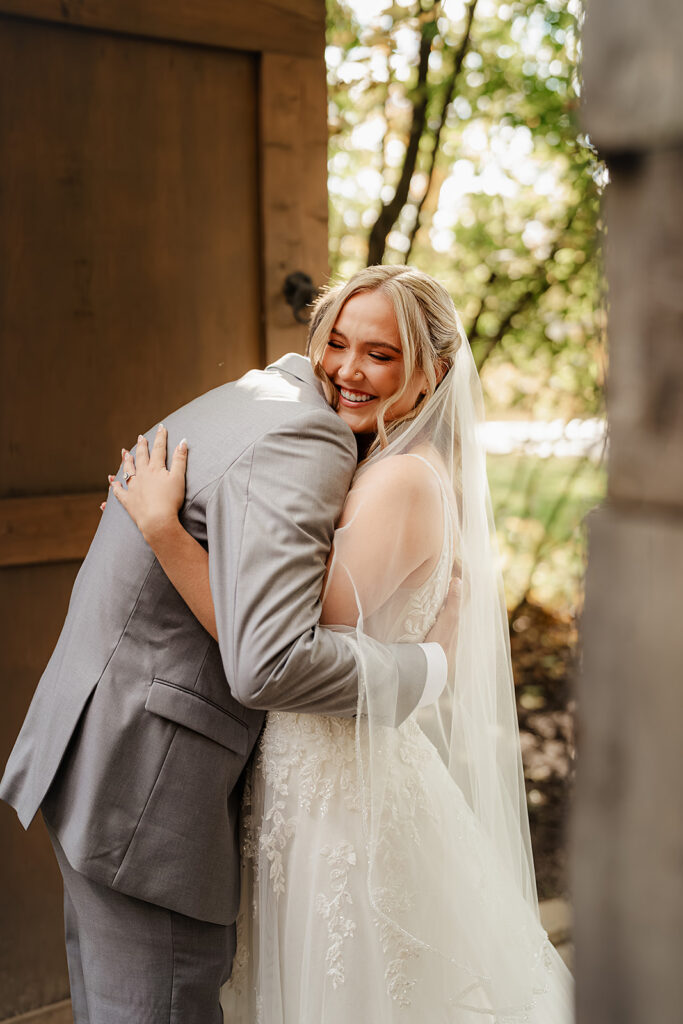
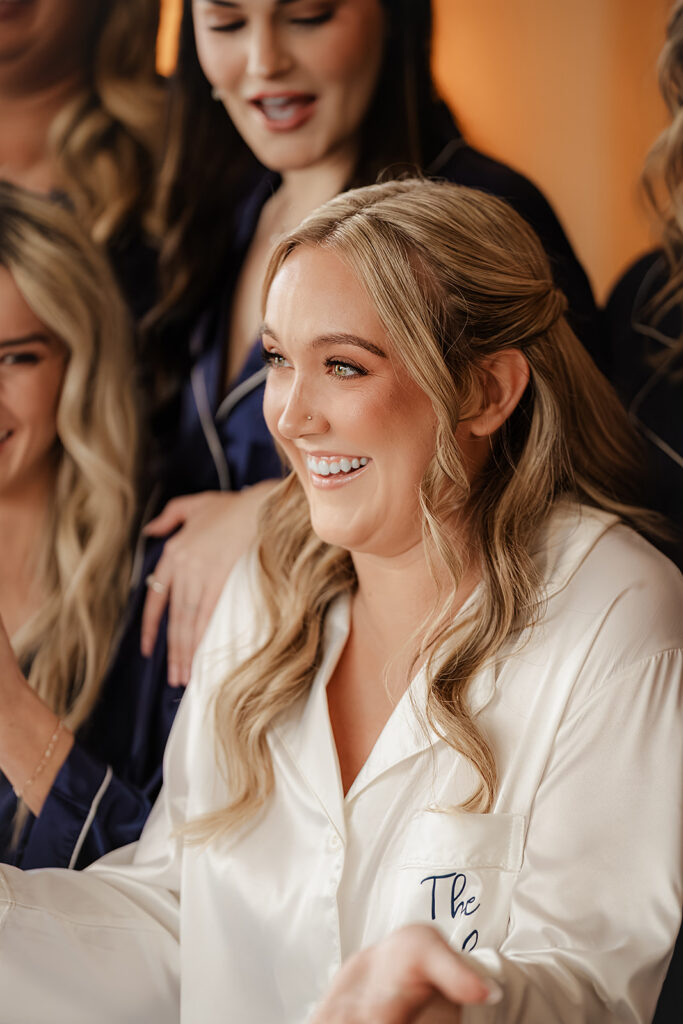
A thoughtful timeline gives you space to laugh, breathe, hug your favorite people, and actually enjoy the day you’ve spent months planning.
At Shipwrecked Creative, one of our favorite parts of working with couples is helping build a timeline that feels natural—not rushed. We collaborate with your planner, coordinator, DJ, and other vendors to create a day that flows smoothly while protecting the moments that matter most.
Because at the end of the day, the goal isn’t to fit more into your wedding.
It’s to enjoy every moment of it.