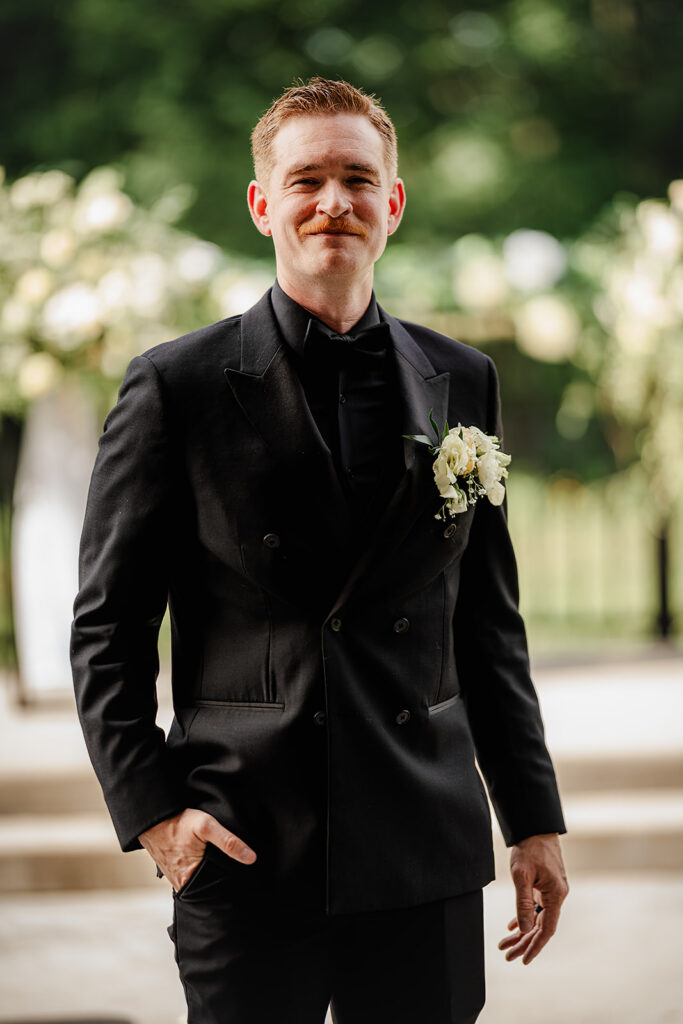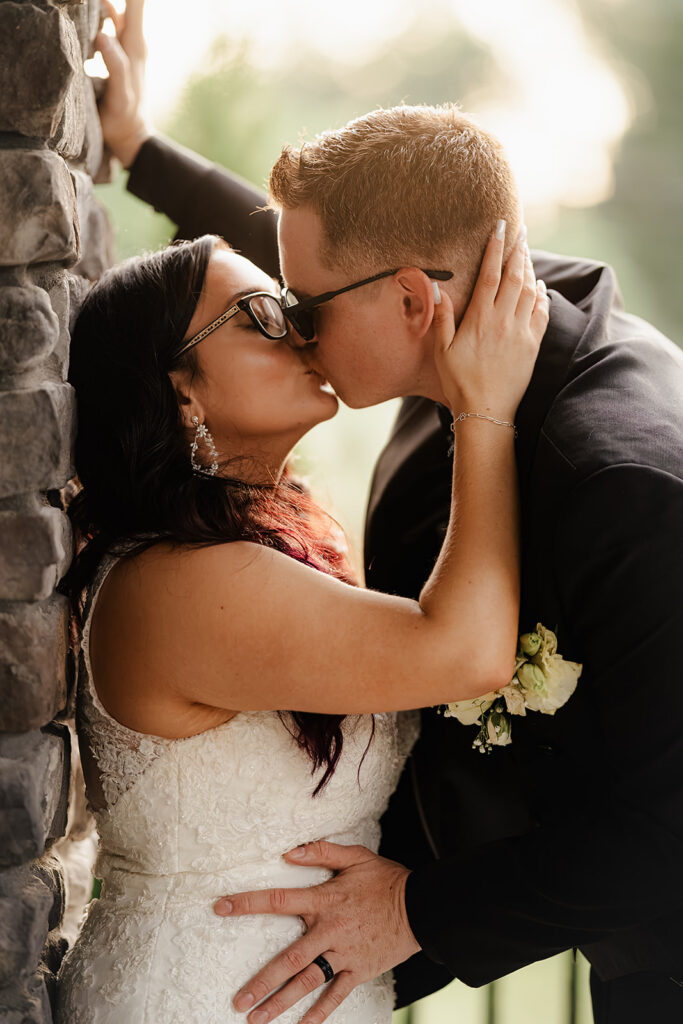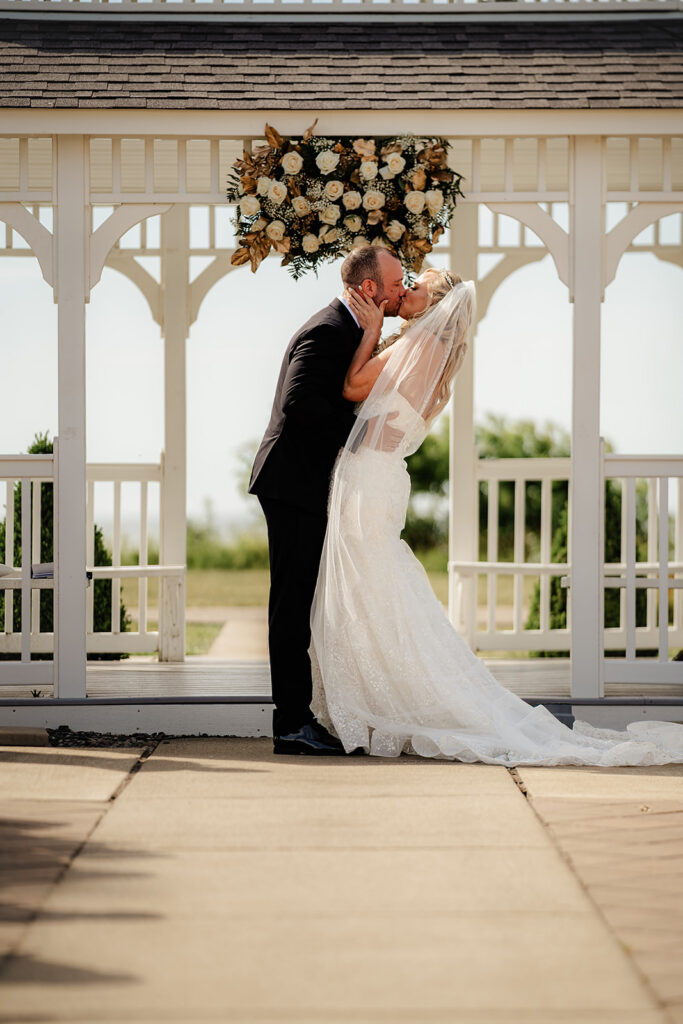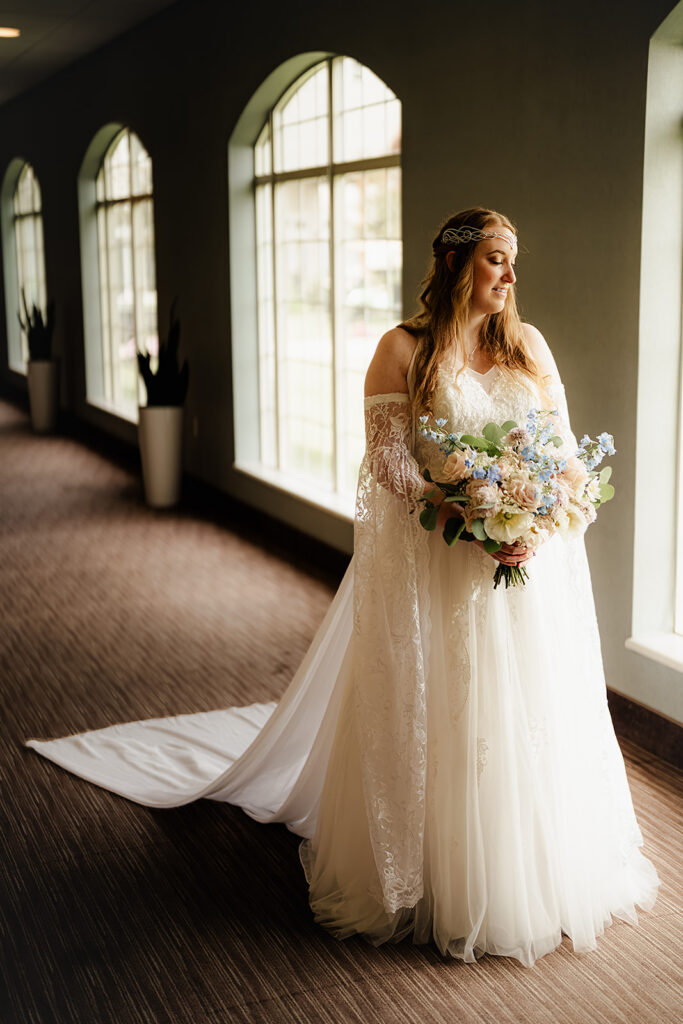



One of the most common questions we hear from couples while planning their wedding portrait timeline is, “How much time do we actually need for wedding portraits?” The answer is usually more than you might expect, but not because you’ll be taking photos all day. A well-planned wedding portrait timeline gives you room to breathe, enjoy the moment, and capture beautiful, authentic images without feeling rushed from one part of the day to the next.
As we’ve said before, great photography is part art, part logistics, and part crisis management. A thoughtful timeline allows your photographer to anticipate moments, solve problems before they happen, and keep your day flowing naturally.
Let’s break down what we recommend.
Build Your Wedding Portrait Timeline Around Moments, Not Just Photos
One mistake we see couples make is trying to squeeze every portrait into one block of time after the ceremony.
Instead, think of portraits as moments that happen naturally throughout the day.
By spreading them out, you avoid feeling like you’re spending hours away from your guests while still getting an incredible variety of images.
Getting Ready | 45–60 Minutes
The morning sets the tone for your entire wedding day.
During this time we’ll photograph:
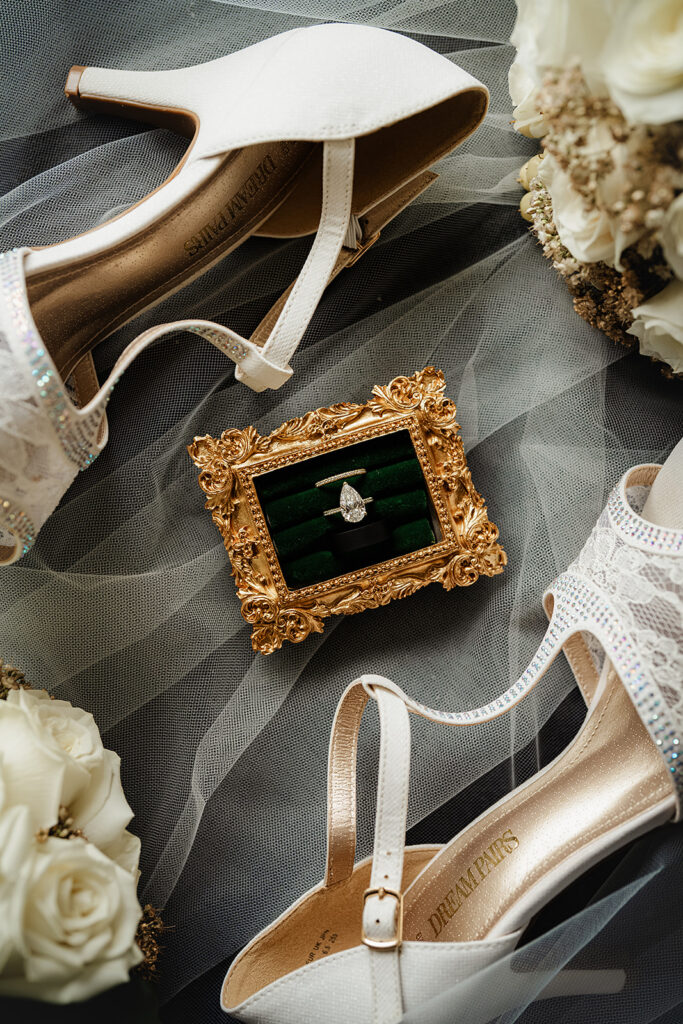
- Your dress, shoes, rings, invitations, and details
- Hair and makeup finishing touches
- Bridesmaids and groomsmen hanging out
- Parents helping with final preparations
- Genuine candid moments before everything begins
The more relaxed this part of the day feels, the more authentic your photos will be.
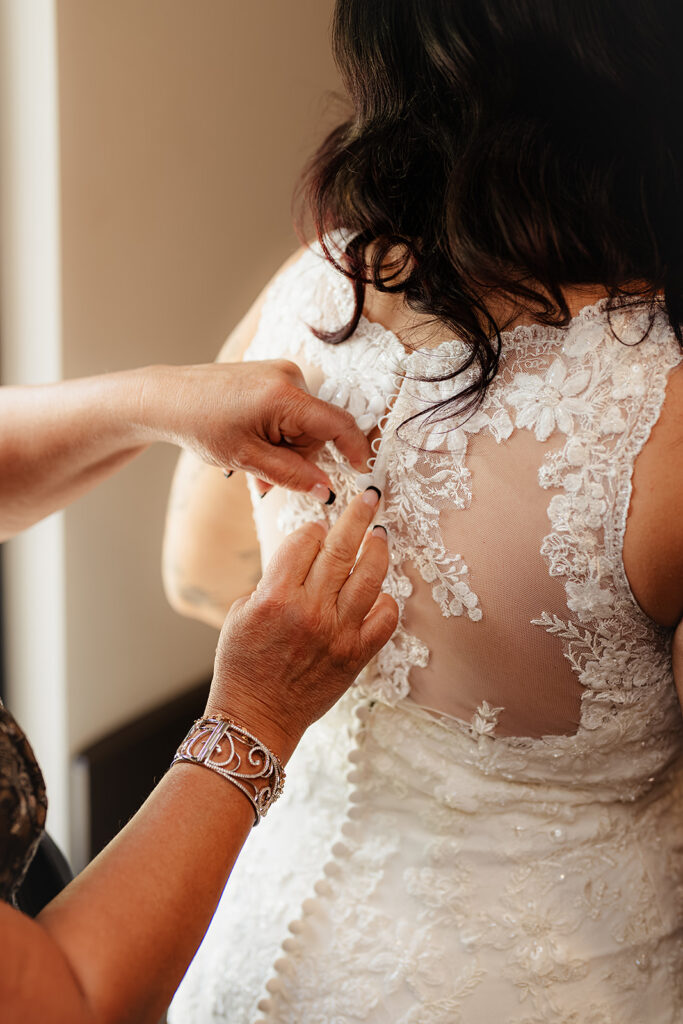

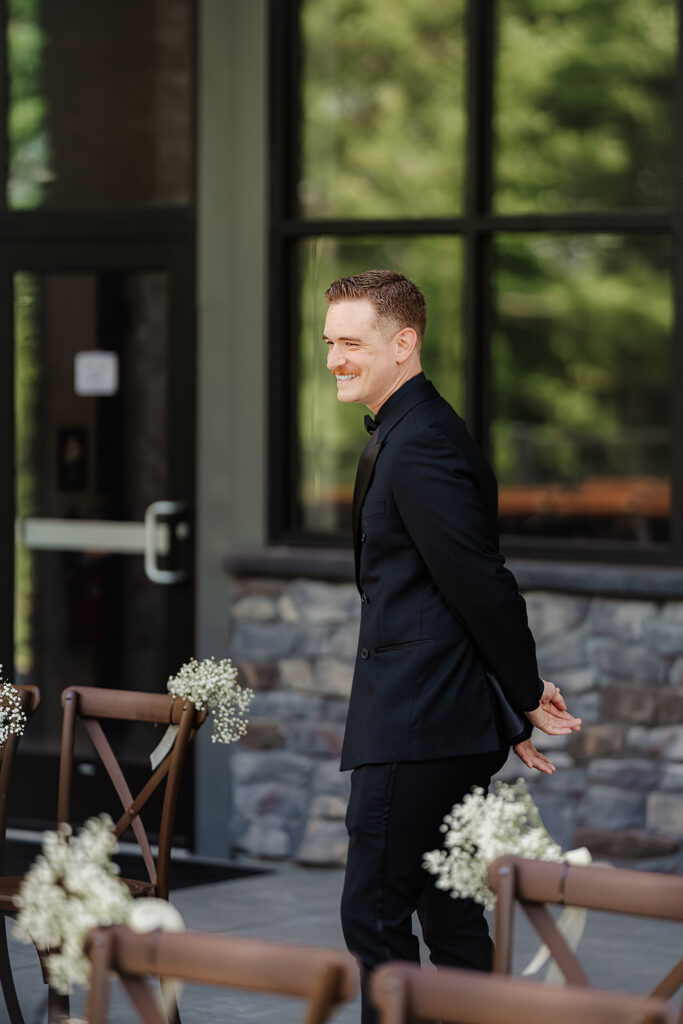
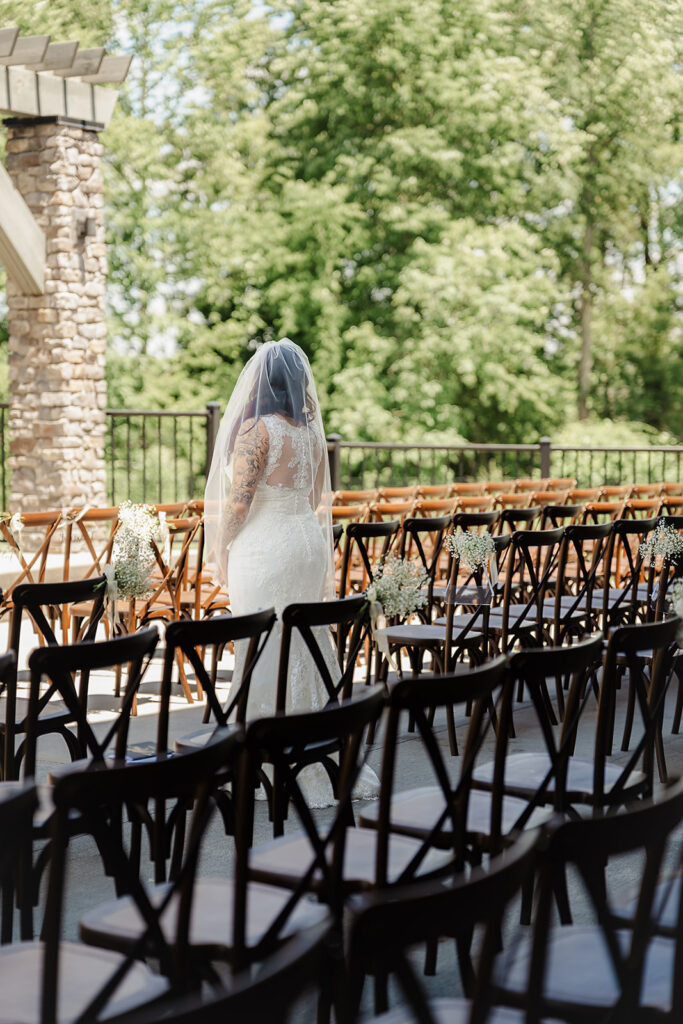
First Look | 20–30 Minutes
If you’re planning a first look, give yourselves time to enjoy it.
This isn’t something you want to rush through.
A first look gives you a private moment together before the ceremony and allows you to complete many of your portraits early, making the rest of the day much more relaxed.
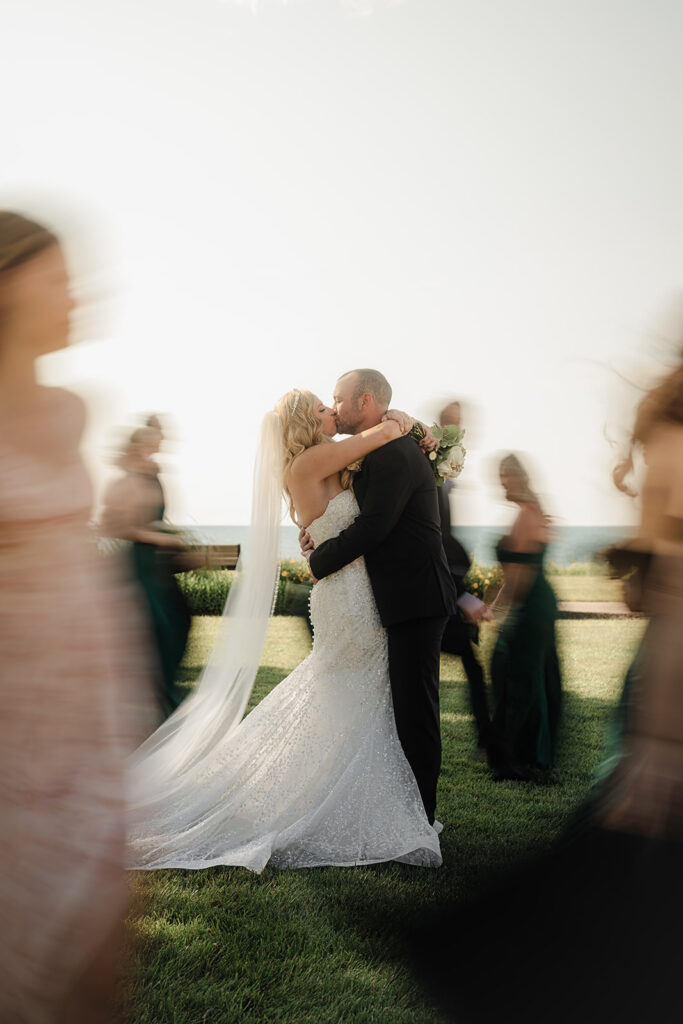
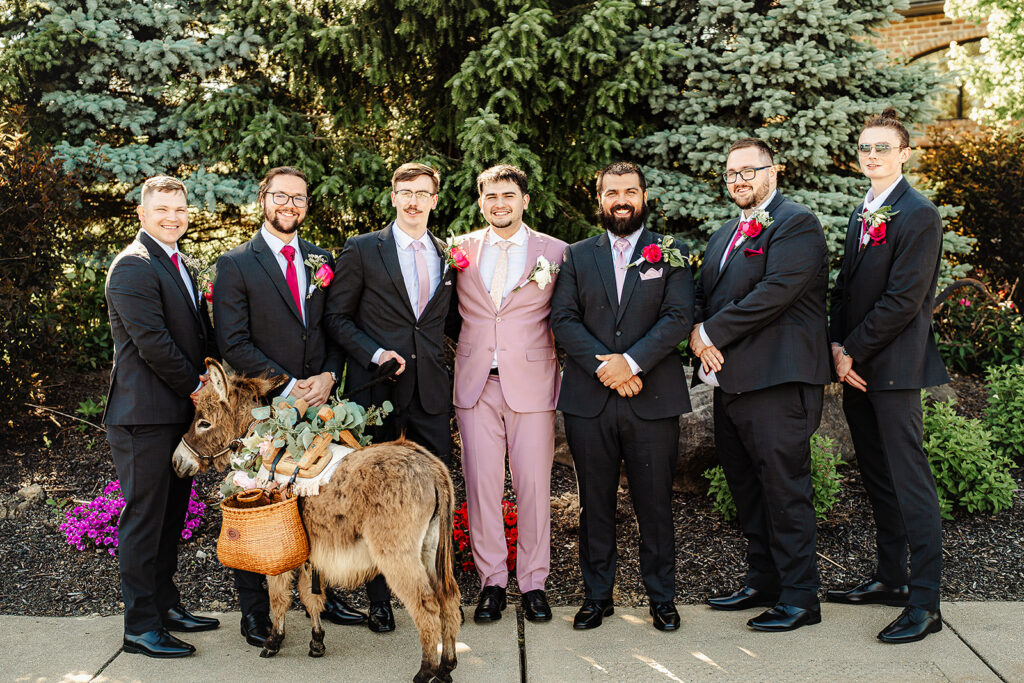
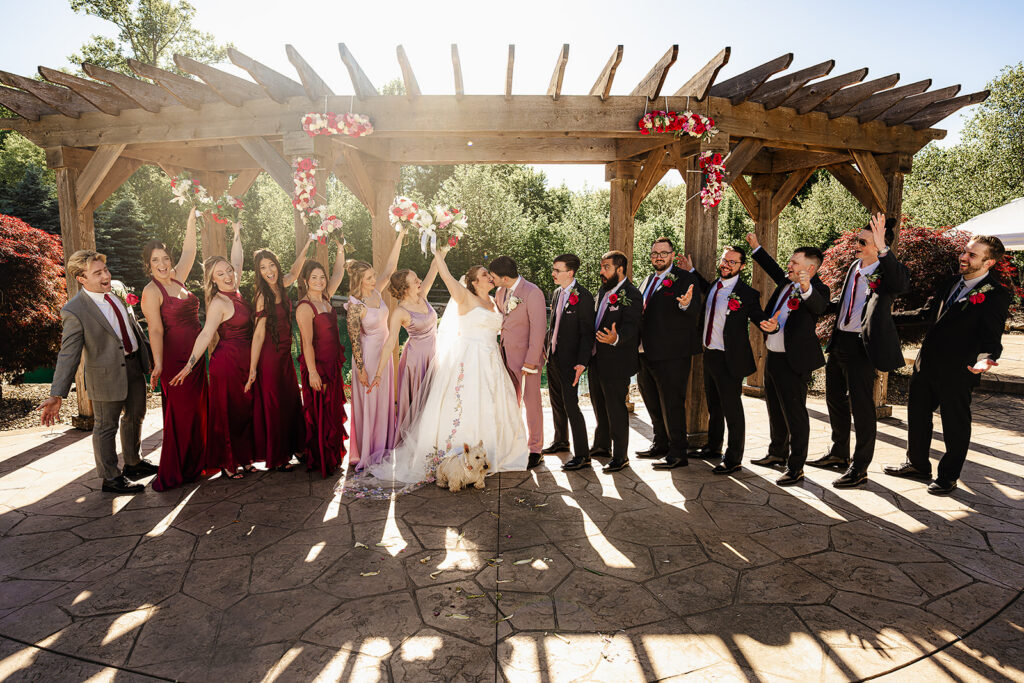
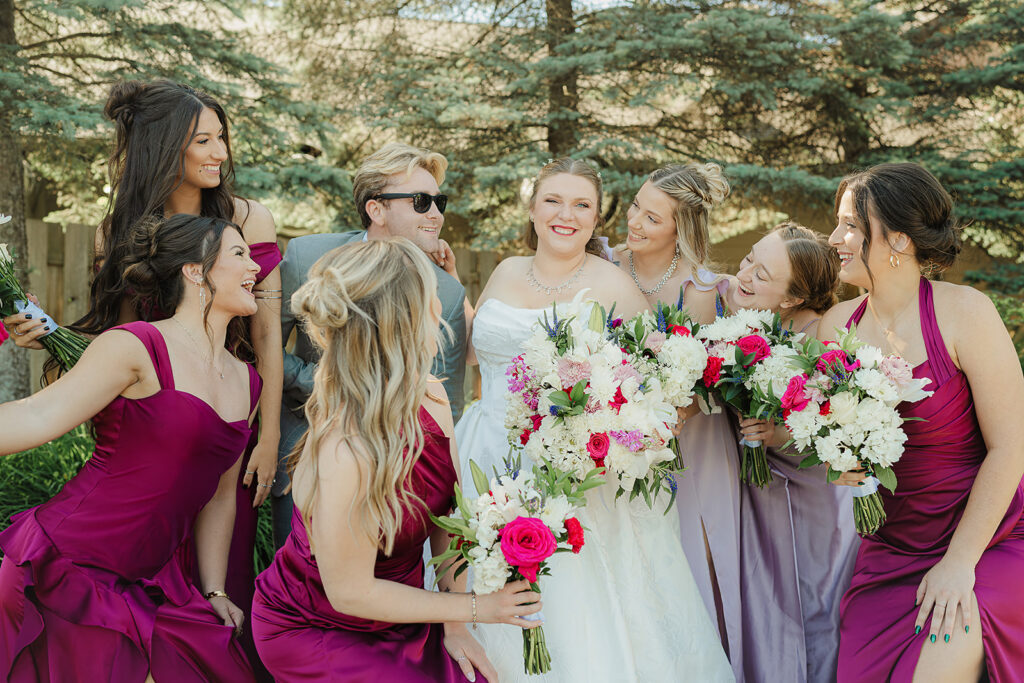
Wedding Party Portraits | 30–40 Minutes
The size of your wedding party determines how much time you’ll need.
For most weddings, 30 to 40 minutes gives plenty of time for:
- Full wedding party
- Bridesmaids
- Groomsmen
- Individual groupings
- Fun, candid moments
An experienced photographer keeps everyone moving efficiently while still making it fun.
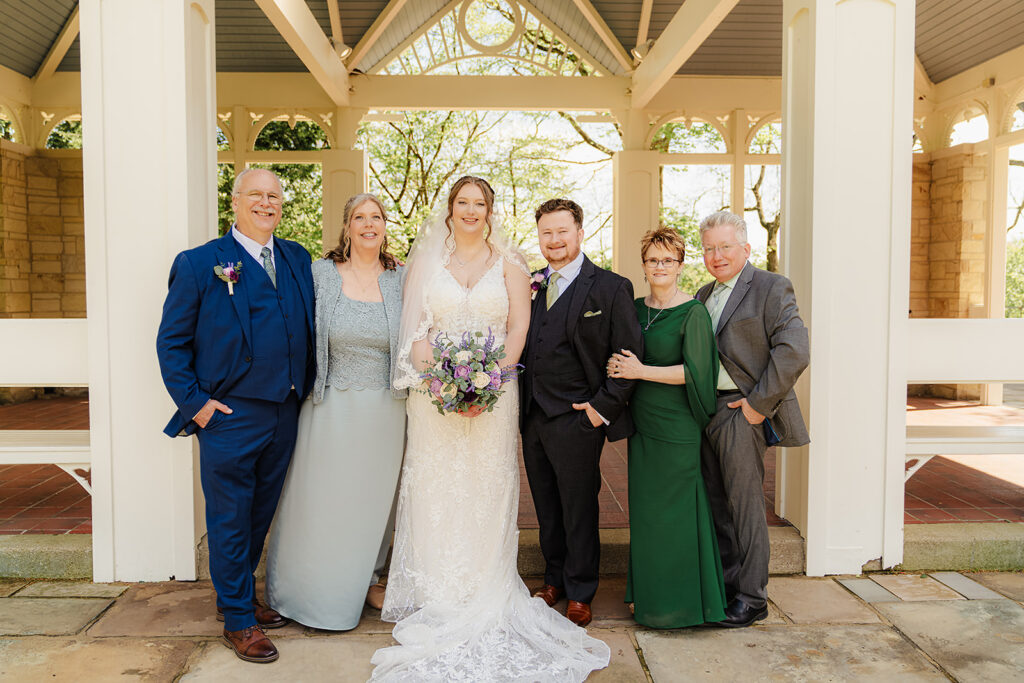
Family Portraits | 20–30 Minutes
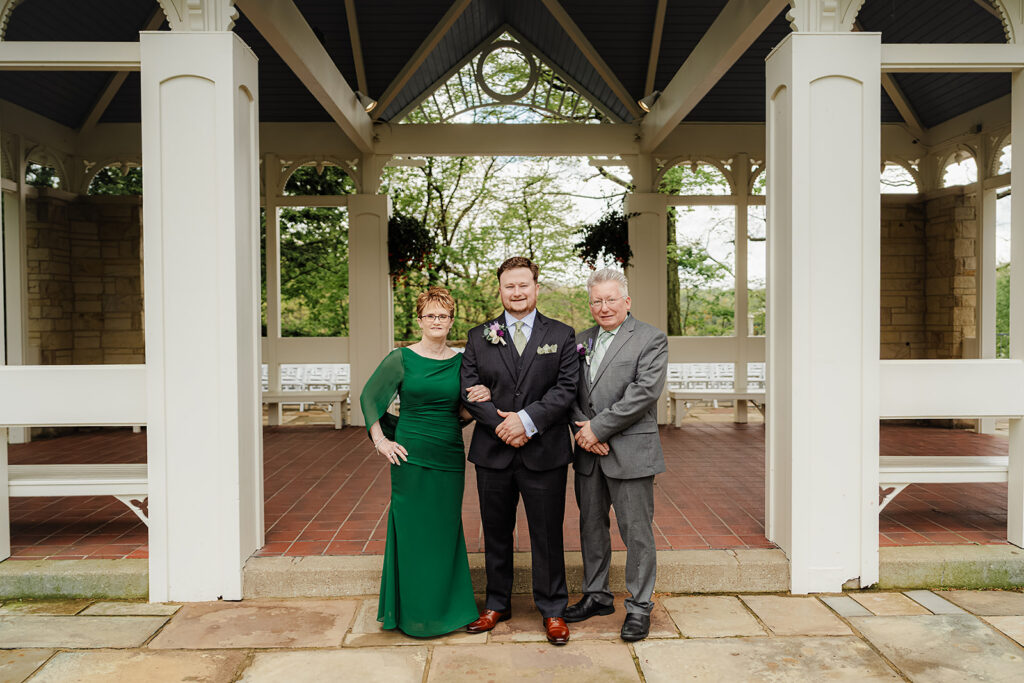
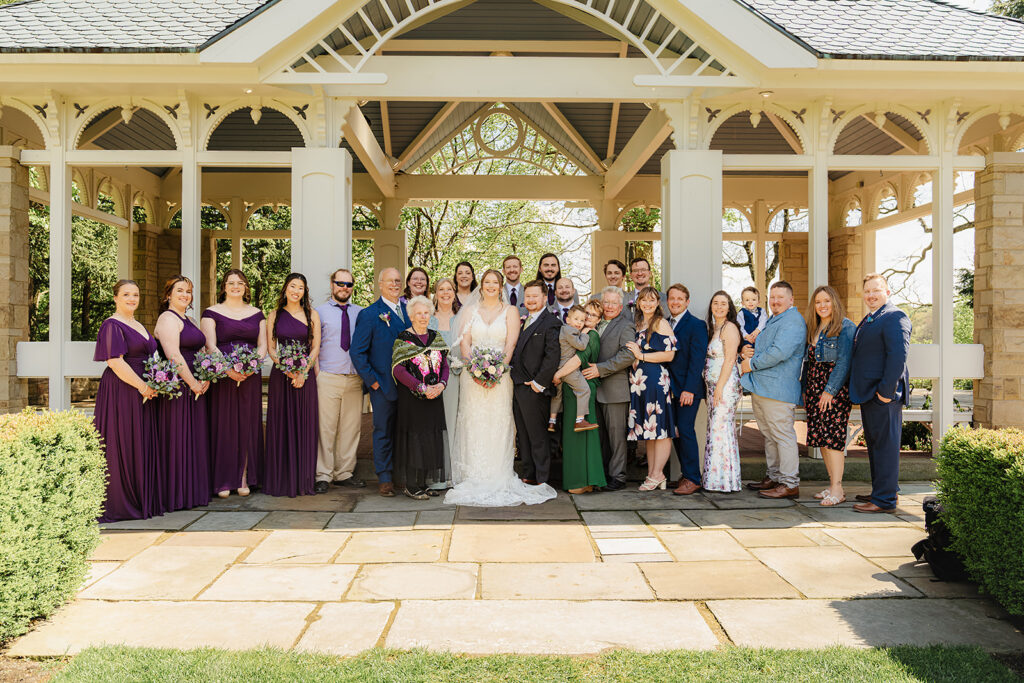
Family portraits are often where timelines fall behind—but they don’t have to.
Family photos are actually more of a logistics exercise than a photography exercise. The delays usually come from finding people, deciding who’s next, or waiting for missing family members—not from taking the photos themselves.
The best way to keep things moving?
- Create a family photo list before the wedding.
- Assign someone who knows both families to gather everyone.
- Organize photos in an efficient order.
With a little preparation, family portraits can often be completed in 20 minutes or less.
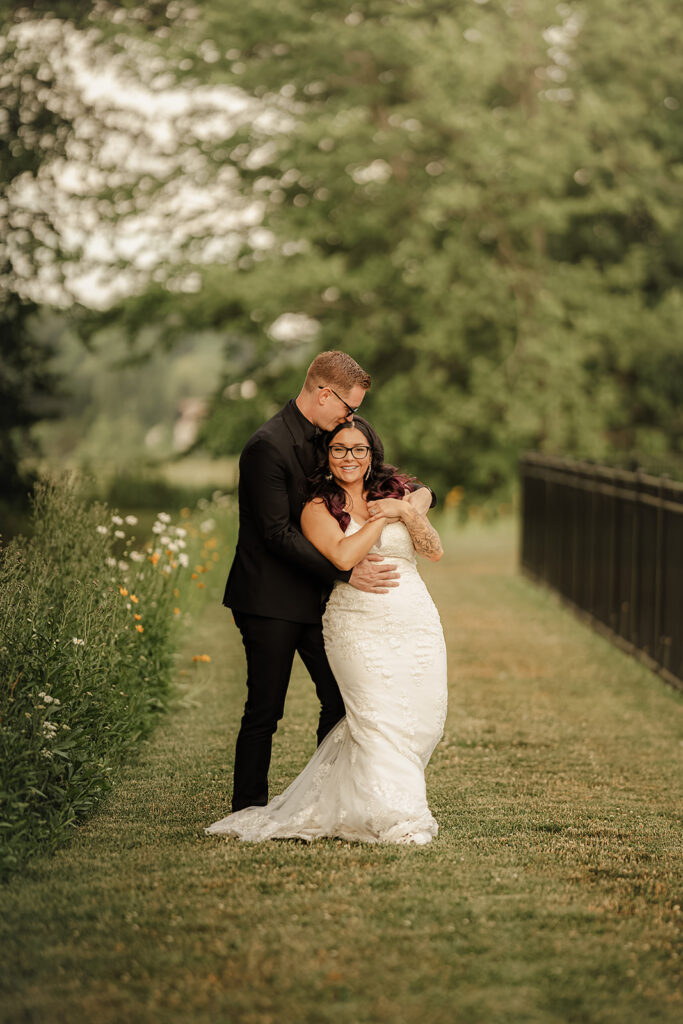
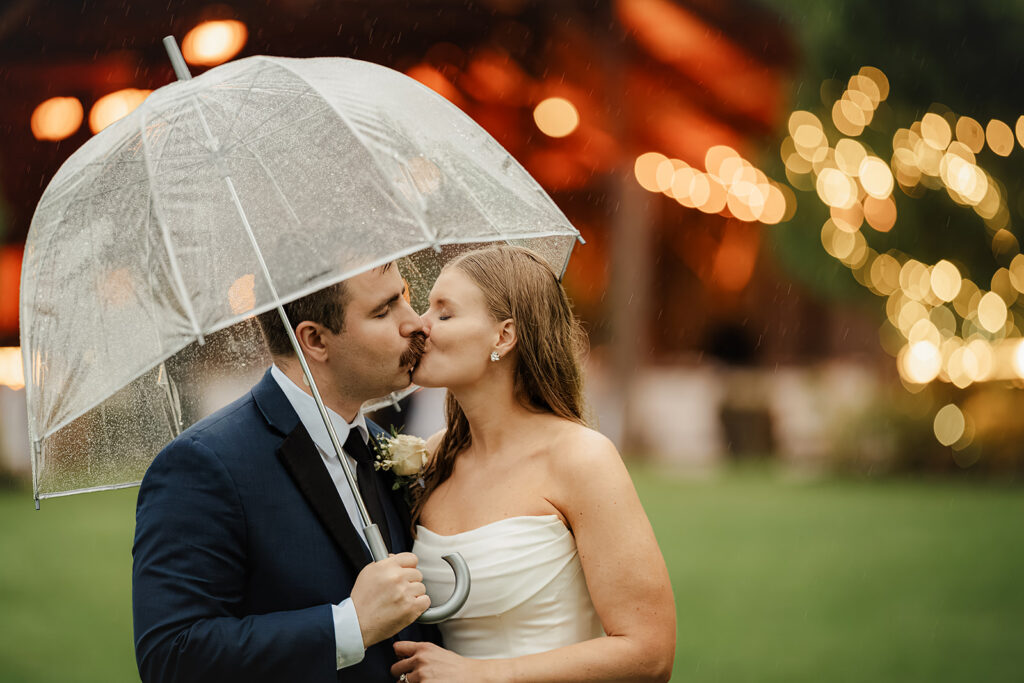
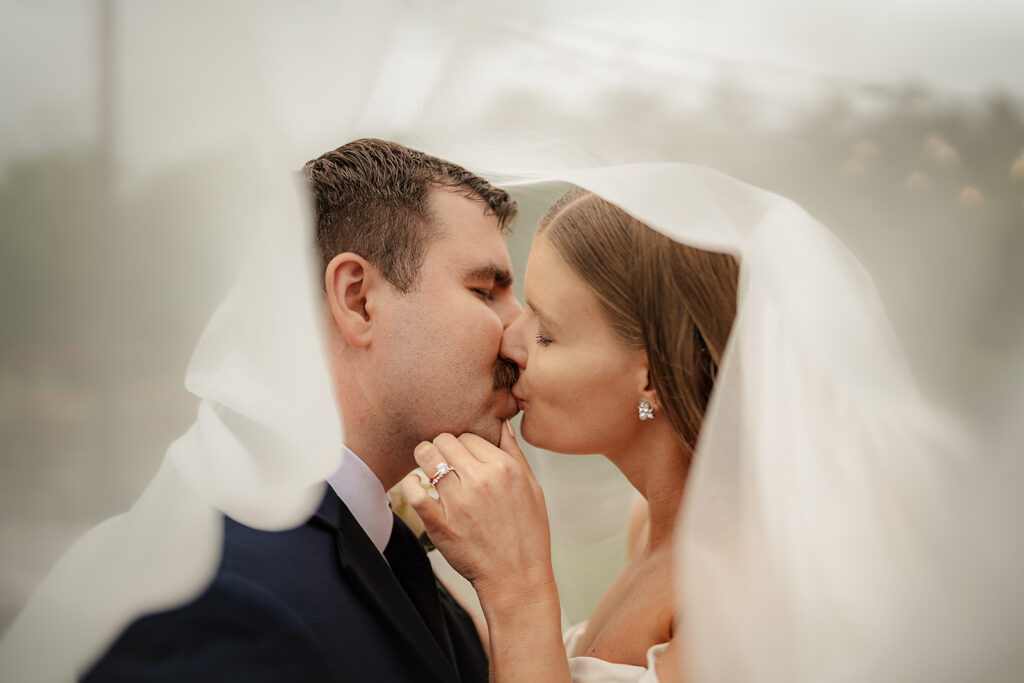
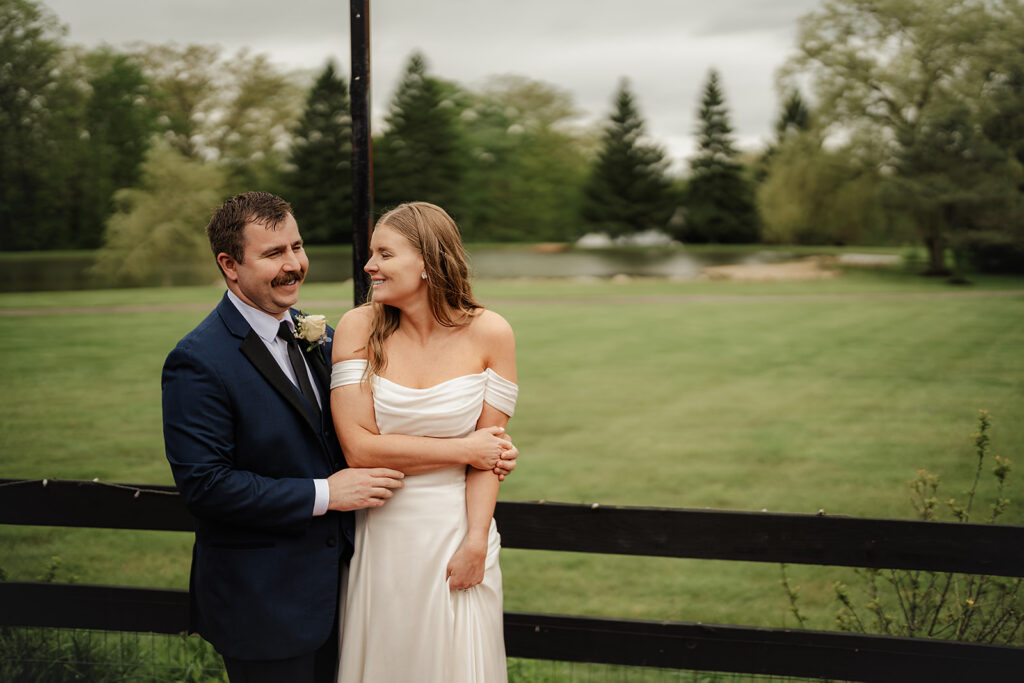
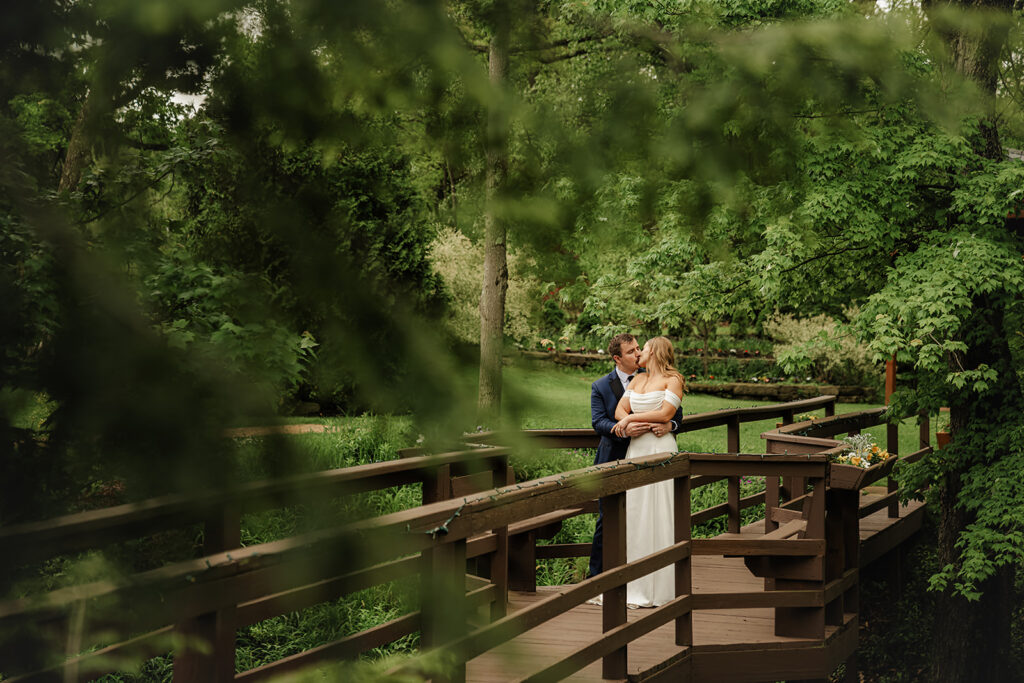
Couple Portraits | 30–45 Minutes
These are the photos you’ll likely print, frame, and look back on for years to come.
Giving yourselves 30 to 45 minutes allows you to:
- Explore different locations around your venue
- Capture a mix of posed and candid images
- Relax and simply enjoy being together
- Create photos that feel natural instead of rushed
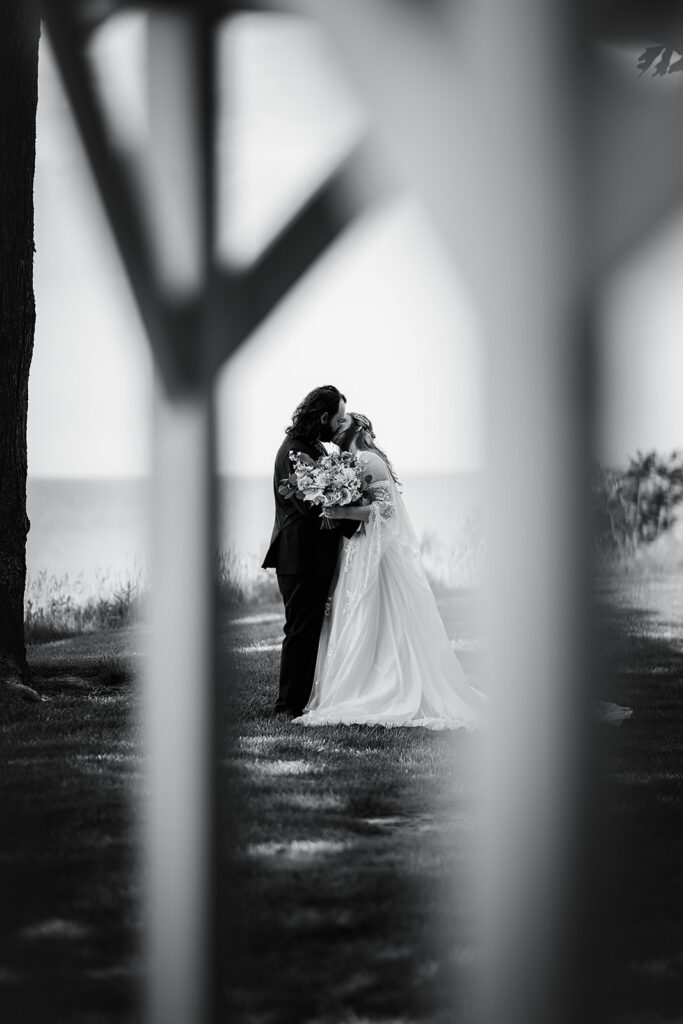
Some of our favorite images happen when we simply let couples walk, laugh, and soak in the moment.
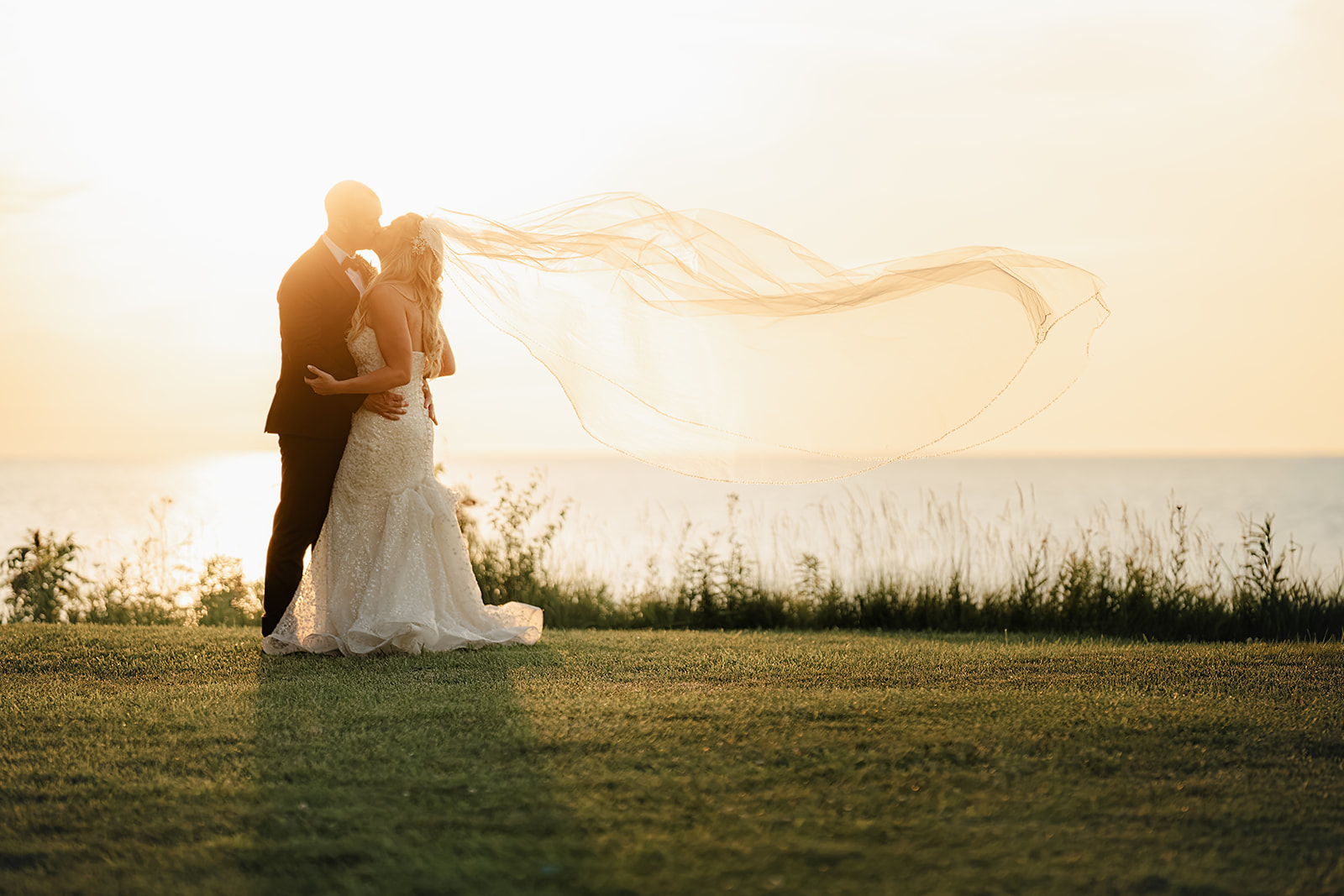
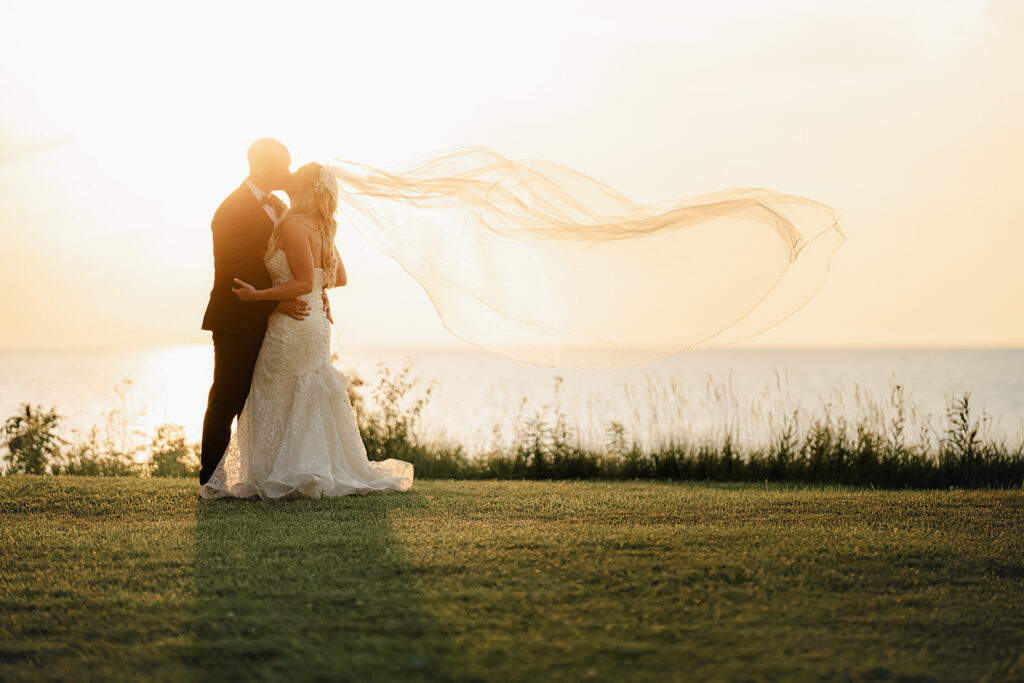
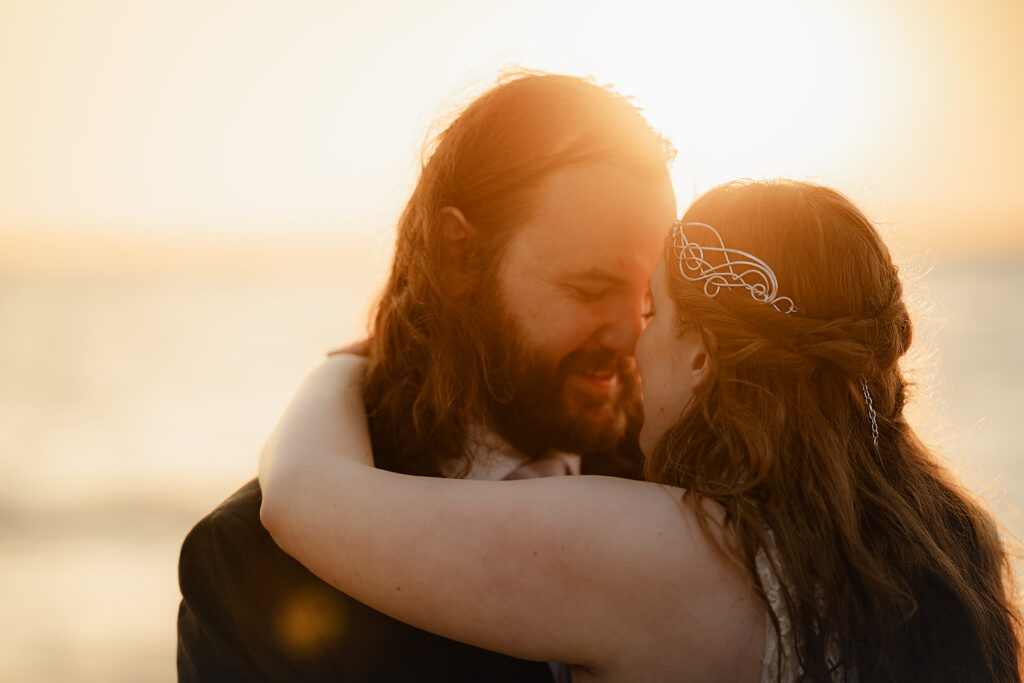
Sneak Away for Sunset | 10–15 Minutes
If your schedule allows it, this is one of the best investments you can make in your timeline.
Golden hour provides soft, flattering light that creates some of the most romantic portraits of the day.
You don’t need long—just 10 to 15 minutes.
Trust us, it’s worth it.
Why Extra Time Creates Better Photos
One thing we’ve learned after photographing countless weddings is this:
The best photos happen when no one feels rushed.
A little breathing room allows us to adapt if timelines shift, adjust for weather, work around unexpected delays, or simply let genuine moments unfold naturally.
Experienced photographers aren’t just taking pictures—they’re helping manage the pace of your day, directing people, anticipating moments, controlling lighting, and keeping everything running smoothly.
When your timeline has flexibility built in, everyone feels it.
A Sample Portrait Timeline
Here’s what a typical portrait schedule might look like:
| Portraits | Recommended Time |
|---|---|
| Getting Ready | 45–60 minutes |
| First Look | 20–30 minutes |
| Wedding Party | 30–40 minutes |
| Family Photos | 20–30 minutes |
| Couple Portraits | 30–45 minutes |
| Sunset Portraits | 10–15 minutes |
The important thing to remember is that this time is spread throughout the day—not all at once.
Our Biggest Piece of Advice
Don’t build your wedding timeline around squeezing photos in.
Build it around creating space to enjoy your day.
Some of our couples’ favorite memories aren’t the big, planned moments—they’re the quiet ones. Walking together after the ceremony. Laughing during sunset portraits. Taking a deep breath before joining the reception.
Those moments only happen when you give yourself the time to experience them.
At Shipwrecked Creative, we help every couple build a photography timeline that keeps the day flowing naturally while making sure you never feel rushed. Because when you’re relaxed, present, and enjoying every minute, that’s when the best photos happen.